Masai Mara vs Mara Conservancies: Which Safari Experience is Right for You?
Planning a safari in the Masai Mara National Reserve is a dream for many travellers. Vast open plains, dramatic predator encounters, and the legendary Great Migration have made it one of the most iconic wildlife destinations on Earth.
But here’s what most first-time visitors don’t realise: your experience in the Mara can vary dramatically depending on where you stay.
Just beyond the reserve boundaries lie the Mara Conservancies-private, community-managed areas that offer a completely different kind of safari. Less crowded, more flexible, and far more exclusive, they have quietly become the preferred choice for seasoned safari travellers and luxury seekers.
So which is right for you? This guide breaks down the real differences beyond the brochures so you can choose the safari experience that truly matches your expectations.
What Is the Masai Mara National Reserve?
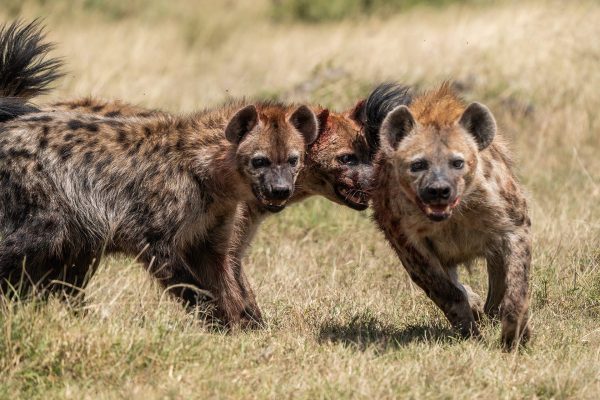
The Masai Mara National Reserve is Kenya’s most famous safari destination, forming part of the greater Serengeti ecosystem. It’s a public reserve, meaning it is accessible to a wide range of lodges, camps, and independent vehicles.
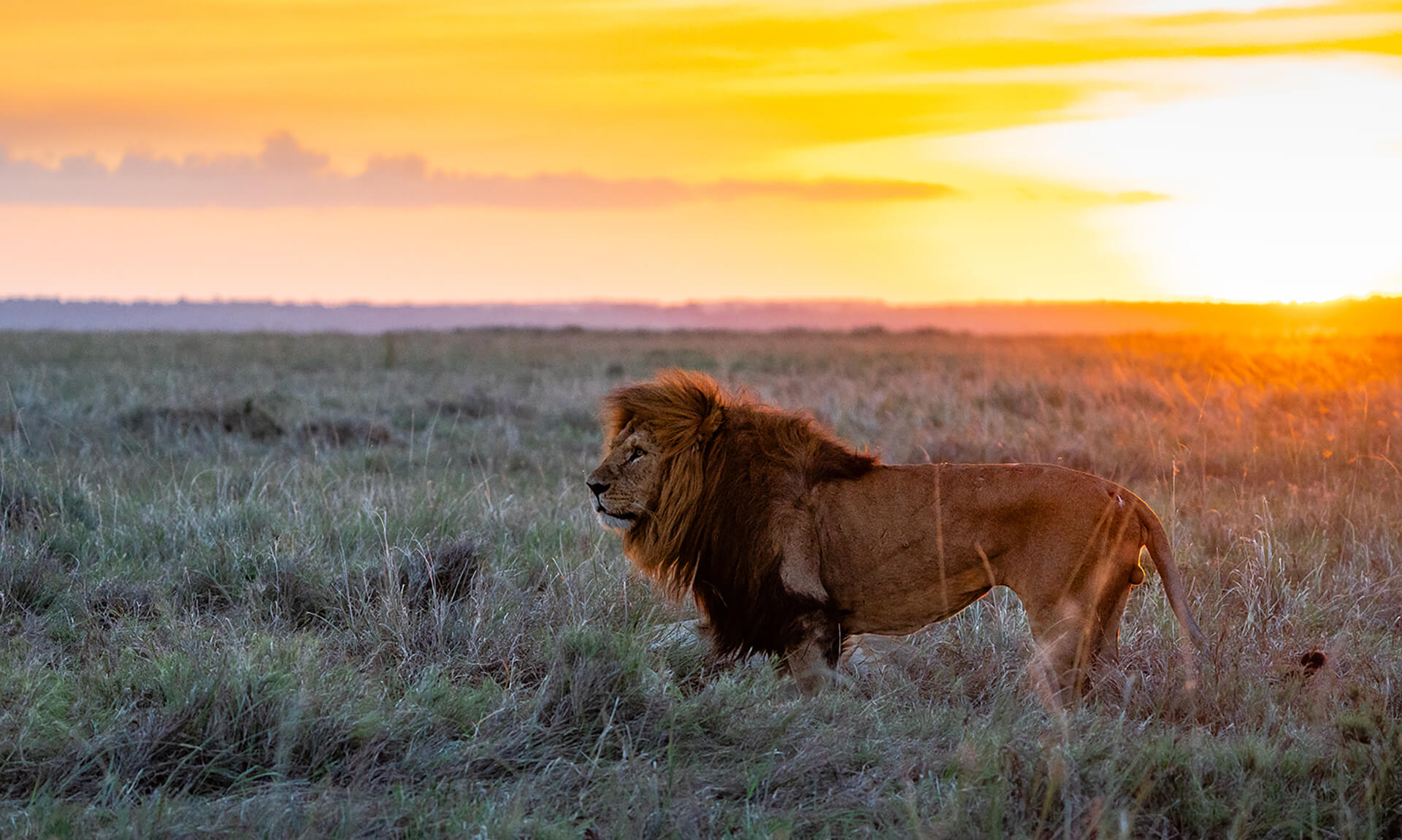
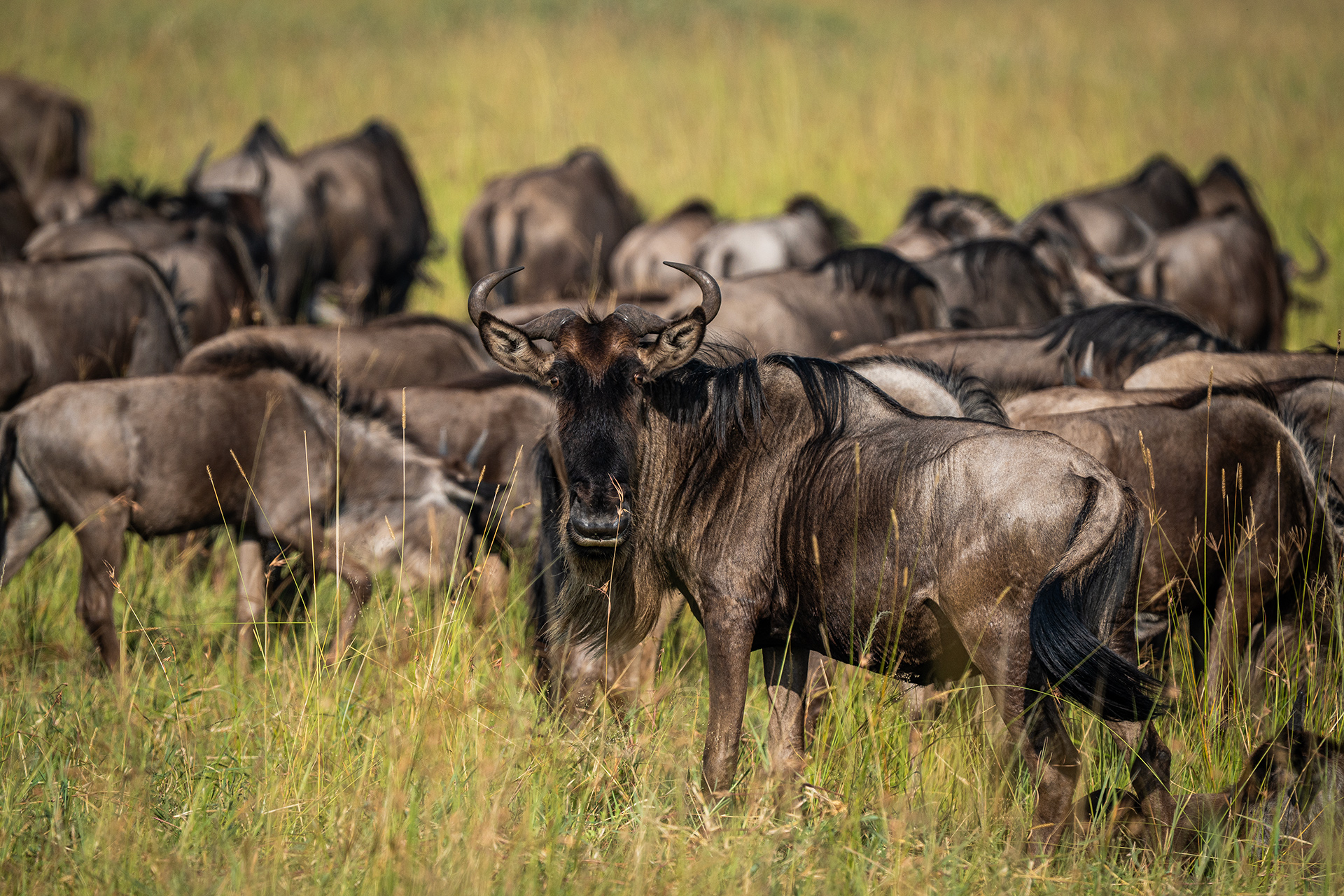
Wildlife density here is exceptional. Lions, cheetahs, elephants, and large herds of plains game are seen throughout the year. During migration season, millions of wildebeest and zebras cross into the Mara, creating one of the most dramatic wildlife spectacles on the planet.
Pros of Staying in the Masai Mara
- Low Budget: Best for low budget mass tourism and shared tours
- Migration access: Best-known river crossings occur here
- Range of accommodation: From mid-range to ultra-luxury
Cons of Staying in the Masai Mara
- Crowds: Popular sightings can attract dozens of vehicles
- Restricted activities: Off-road driving is generally not allowed
- Less exclusivity: Shared space reduces intimacy of encounters
For many travellers, the Masai Mara delivers the classic safari. But for others, especially those seeking something more refined, it may feel too busy.
What Are the Mara Conservancies?
Surrounding the reserve are several private conservation areas collectively known as the Mara Conservancies. These include renowned regions such as the Naboisho Conservancy, Mara North Conservancy, and Lemek Conservancy.
Unlike the national reserve, conservancies operate on a low-impact tourism model. Land is leased from local Maasai communities, and strict limits are placed on the number of camps and vehicles allowed.
The result? A safari experience that feels private, immersive, and far removed from the crowds.
How Conservancies Work
- Limited number of guests per area
- Strict vehicle density rules
- Revenue directly supports local communities
Plan your Dream Safari Travel
Get in touch today and receive a complimentary consultation.
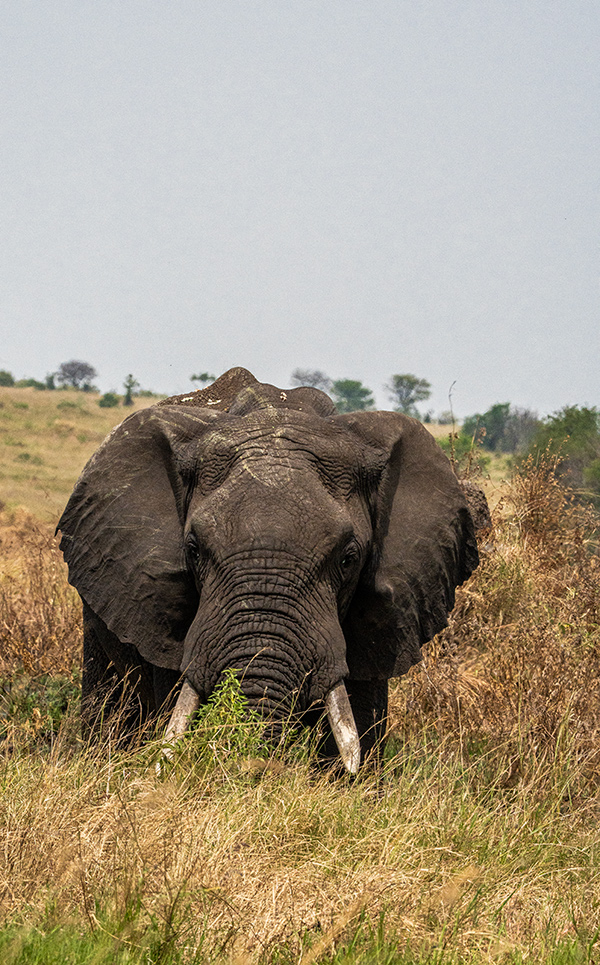
Wildlife Experience: Quantity vs Quality
Both the Masai Mara National Reserve and the Mara Conservancies are rich in wildlife—but the experience differs significantly.
In the Masai Mara
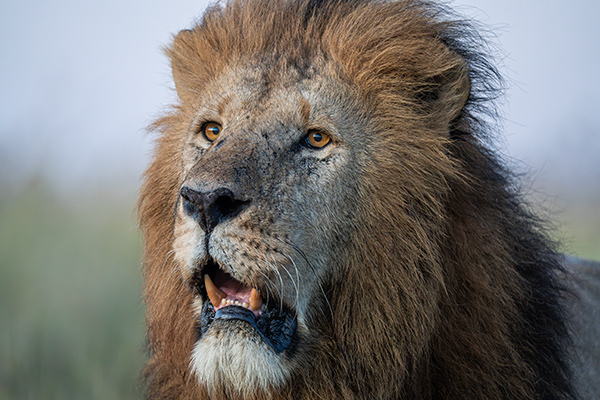
Wildlife sightings are frequent and often dramatic. It’s not unusual to see multiple predators in a single drive. However, these sightings are often shared with many other vehicles.
While this doesn’t diminish the animals themselves, it can affect the atmosphere. A lion sighting with 30 vehicles around it feels very different from one shared with just a handful.
In the Conservancies
Wildlife density remains excellent, particularly for predators. But the key difference lies in how you experience it.
With fewer vehicles and guides who can track off-road, sightings feel more natural and less rushed. You can spend longer observing behaviour—watching a cheetah hunt unfold or a pride of lions interact without interruption.
Why They Matter
Conservancies are not just about luxury-they represent a sustainable model of conservation. By placing value on wildlife and land preservation, they help protect critical habitats while supporting local livelihoods.
Key Differences at a Glance
| Feature | Masai Mara National Reserve | Mara Conservancies |
|---|---|---|
| Crowd Levels | High | Very Low |
| Off-road Driving | Restricted | Allowed |
| Night Drives | Not Allowed | Allowed |
| Exclusivity | Moderate | High |
| Cost | Moderate–High | Premium |
In short:
The reserve offers accessibility and iconic moments. Conservancies offer depth, privacy, and control over your experience.
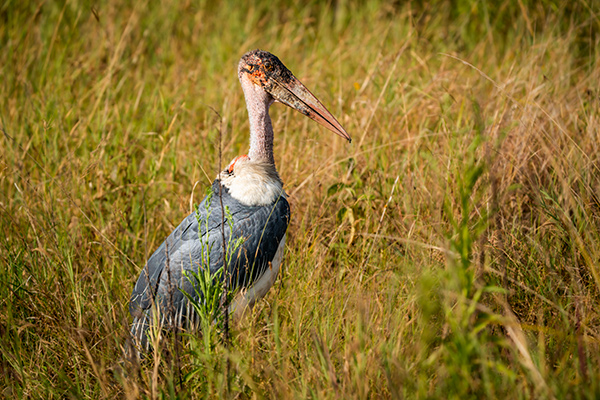
Crowds & Exclusivity: The Real Difference
One of the most defining contrasts is the number of vehicles you’ll encounter.
Masai Mara Reality
During peak season, popular sightings can attract large clusters of vehicles. While still exciting, the experience can feel crowded and competitive.
Conservancy Experience
Strict limits ensure that sightings remain intimate. Often, you may find yourself alone with a wildlife encounter—a rare luxury in today’s travel landscape.
Ask yourself:
Do you want to see wildlife, or do you want to experience it?
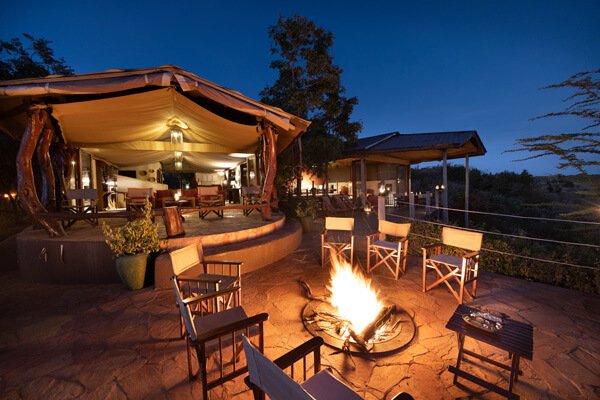
Accommodation & Style of Stay
In the Masai Mara
You’ll find everything from budget camps to luxury lodges. This variety makes it accessible but also less consistent in experience.
In the Conservancies
Accommodation is almost exclusively high-end:
- Boutique tented camps
- Private villas
- Personalised service
For luxury travellers, conservancies offer a level of comfort and privacy that aligns with the overall safari experience.
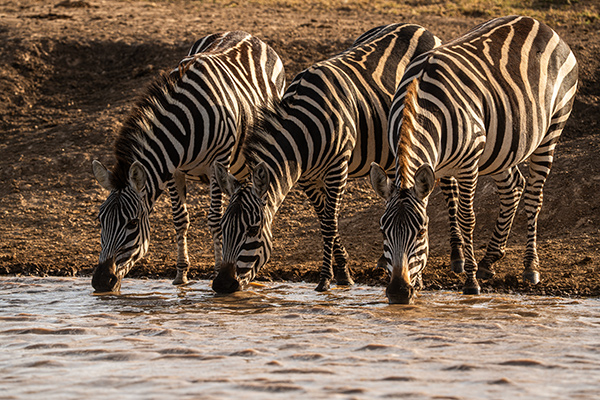
Cost Comparison: Is It Worth It?
At first glance, conservancies are more expensive. Nightly rates are higher, and access is limited to guests staying within the area.
However, what you’re paying for goes beyond accommodation:
- Fewer vehicles
- Exclusive access
- Additional activities (night drives, walking safaris)
Rather than viewing it as a higher cost, it’s more accurate to see it as a higher-value experience.
Who Should Choose What?
Choose the Masai Mara if:
- It’s your first safari
- You are focused on migration crossings
- You prefer a wider range of price options
Choose a Conservancy if:
- You value privacy and exclusivity
- You are a wildlife photographer
- You prefer fewer crowds and deeper experiences
- You’ve done safaris before and want something better
The Great Migration Factor
The Great Migration is often the deciding factor for travellers choosing the Mara.
The most famous river crossings typically occur within the national reserve, making it a prime location during peak migration months. However, parts of the migration also pass through conservancies, often with far fewer vehicles.
Best strategy: Stay in a conservancy and make selective visits into the reserve for crossings.
Insider Tip: The Best of Both Worlds
The most rewarding safari often combines both experiences.
Stay in a conservancy for most of your trip, enjoying private game drives and flexible activities. Then visit the reserve strategically for iconic migration moments.
This approach gives you:
- Exclusivity and spectacle
- Depth and variety
It’s also how most experienced safari planners design high-end itineraries.
In the Masai Mara
- Game drives on designated tracks
- Daytime safaris only
- No off-road or night driving
In the Conservancies
- Off-road tracking (crucial for predator sightings)
- Night drives (spot nocturnal wildlife)
- Walking safaris with expert guides
This flexibility allows for a far richer and more dynamic safari experience.
FREQUENTLY ASKED QUESTIONS About Masai Mara vs Mara Conservancies
Is the Masai Mara too crowded?
It can be during peak migration season, particularly at major sightings. Outside peak months, it is more manageable.
Are conservancies worth the higher price?
Yes, especially for travellers seeking a quieter, more exclusive safari experience.
Can you see the migration in conservancies?
Yes, although the most dramatic river crossings are typically in the reserve.
Which is better for photography?
Conservancies, due to fewer vehicles and off-road access. You can photograph much more natural behaviour of the wildlife and procced much closer to wildlife.
Can you visit both areas?
Absolutely, you can stay in both Masai Mara National Reserve (within the park) as well as in conservancies on your Kenyan Safari. We often organise such tours for our guests. You can also enter the national reserve while staying overnight in the conservancies.