Langom Research Station – Danum Valley's New Frontier for Wildlife Research and Safari
Hidden within the vast rainforest landscape surrounding the legendary Danum Valley Conservation Area lies one of Borneo’s newest and least-known research bases – the Langom Control Centre and Research Station.
Completed in 2024 and officially launched in 2025, Langom is positioned as a new hub for rainforest science, conservation, and controlled wildlife tourism within Sabah’s remarkable forest ecosystem.
Located inside the Ulu Segama–Malua Forest Reserve, Langom sits strategically between the historic Danum Valley Field Centre and the forest restoration zone known as INFAPRO.
For serious wildlife enthusiasts, Langom represents something extremely rare:
a remote research station in recovering rainforest with almost no tourism pressure.
Where is Langom Research Station
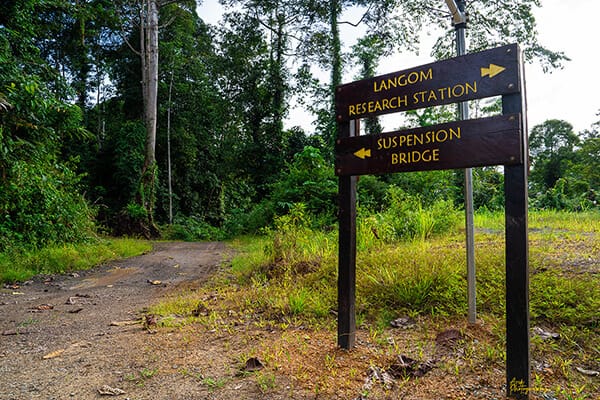
Langom Research Station lies in eastern Sabah, Malaysia, within the greater DaMaI rainforest landscape, which also includes Maliau Basin and Imbak Canyon.
The station is situated near the boundary of Danum Valley’s primary forest and the regenerating forests of the Ulu Segama–Malua reserve.
This location makes Langom scientifically important because researchers can study:
Primary rainforest ecosystems
Logged forest regeneration
Wildlife recovery after forest restoration
Construction began in 2021 and the facility was completed in 2024 under the Malaysian government’s conservation initiatives.
Wildlife Around Langom
The wider Danum Valley ecosystem is one of the richest wildlife habitats in Asia. Guests on a typical 4WD drive or guided trek in Langom often encounter the endemic Bornean wildlife.
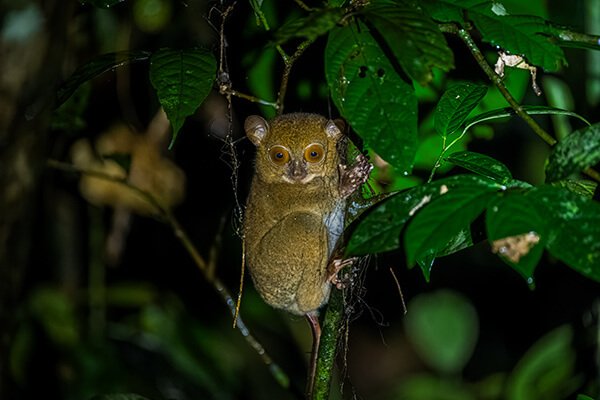
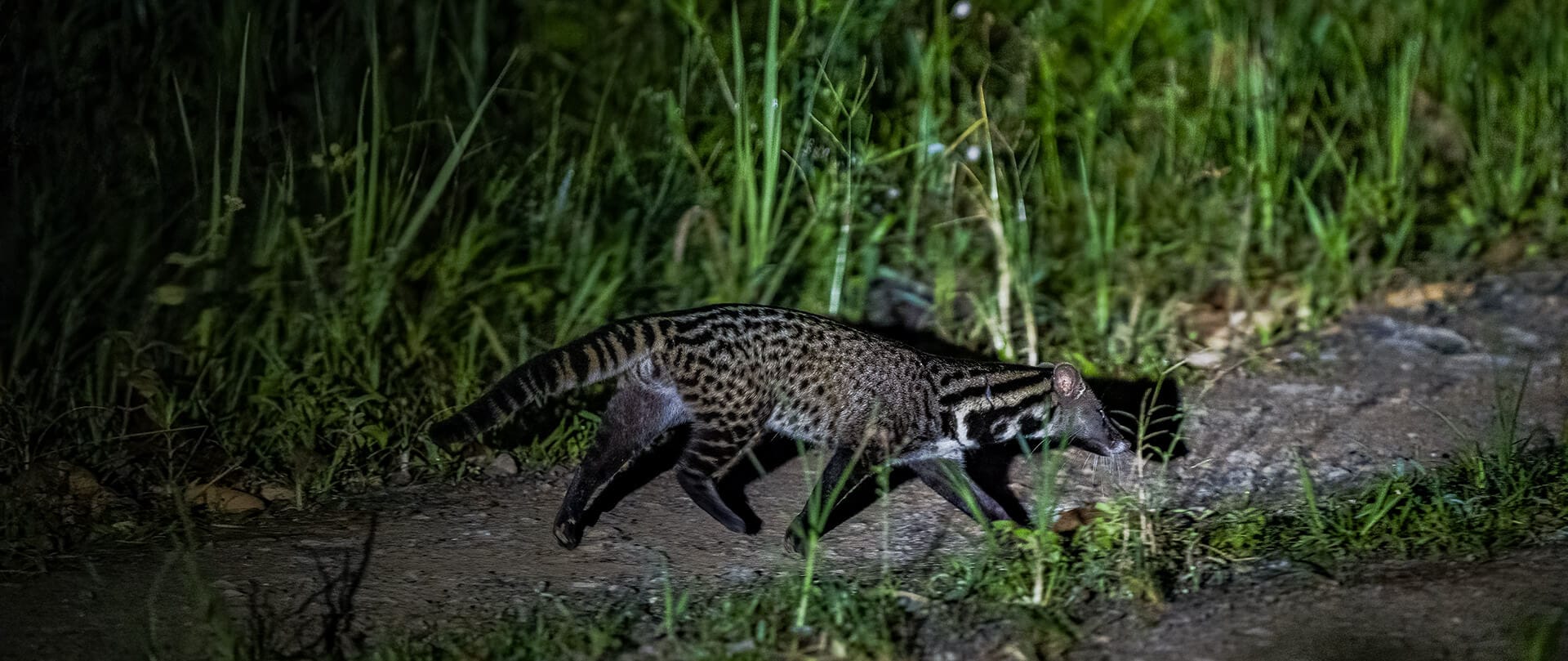
Notable mammal species includes Bornean orangutan, Bornean pygmy elephant, Sun bear, Clouded leopard, Marbled cat, Leopard cat, Red leaf monkey, Bornean gibbon, Long-tailed macaque. As with other wildlife locations you tour with Safari Acacia, the special mention is the rich Nocturnal Wildlife in this area. Night drives or guided walks may reveal Slow loris, Malay civet, Colugo, Western tarsier apart from the star attractions- the elusive Wild Cats of Borneo. Birdlife is spectacular around Langom.
Because the surrounding forest has little tourism, sightings can sometimes be exceptional.
Accommodation at Langom Research Station
Langom offers simple but comfortable accommodation primarily designed for researchers and naturalists.
The station includes:
8 terraced rooms
4 air-conditioned rooms
4 fan-cooled rooms
Private bathrooms
Small verandas facing the forest
Electricity is mostly solar powered during the day, while generators provide power for air-conditioning and hot water at night.
The atmosphere is far more rustic than luxury lodges in Danum Valley.
But for serious wildlife lovers, this simplicity is part of the experience.

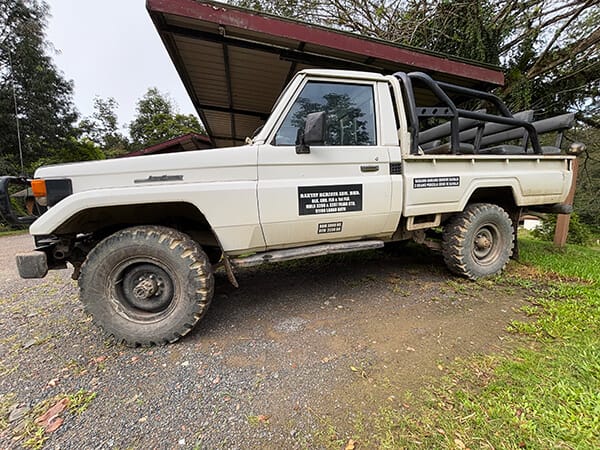
How to Safari in Langom
Typical activities around the research station include:
Night Drives
Exploring forest roads in search of nocturnal wildlife.
Guided Night Walks
Slow exploration along forest trails with spotlighting.
Birdwatching
The Danum landscape hosts over 300 bird species.
Forest Treks
Walking through regenerating rainforest to study forest recovery.
Wildlife Photography
Low tourist numbers make Langom ideal for photographers.
How Langom Differs from Other Danum Valley Properties
Property
- Danum Valley Field Centre
- Langom Research Station
- Borneo Rainforest Lodge
Type
Research + budget eco tourism
New research outpost
Luxury eco lodge
Atmosphere
Academic and educational
Remote and experimental
Premium wildlife tourism
Why Langom is Important for Conservation
Langom is not simply accommodation in the forest.
It was designed as a multi-purpose conservation facility supporting:
• Biodiversity research
• Forest restoration monitoring
• Environmental education
• Field training for students
• Controlled eco-tourism activities
The station is managed by the Sabah Forestry Department with collaboration from Yayasan Sabah and research institutions.
Scientists working here focus on:
Forest regeneration ecology
Wildlife movement between restored and primary forests
Climate monitoring
Long-term biodiversity surveys
This makes Langom a critical piece of the conservation puzzle for eastern Sabah.
Forest Types Around Langom
One of the most interesting aspects of Langom is the diversity of forest habitats around the station.
Visitors can explore three major forest environments:
Primary Lowland Dipterocarp Forest
This is the ancient rainforest ecosystem typical of Danum Valley — among the oldest rainforests in Southeast Asia.
These forests contain towering dipterocarp trees reaching over 60 meters.
Regenerating Logged Forest
Large areas surrounding Langom were selectively logged decades ago.
Today they represent one of Southeast Asia’s most successful rainforest restoration projects under the INFAPRO program.
Riverine Forest
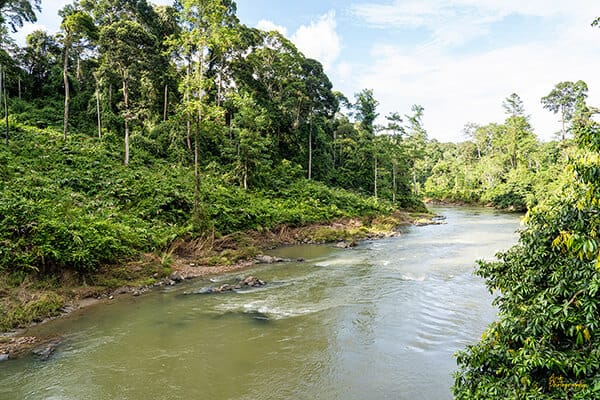
Riparian corridors along small rivers attract many wildlife species including:
hornbills
primates
civets
birds of prey
Because of this habitat mosaic, wildlife diversity around Langom can be exceptionally high.
Why Wildlife Enthusiasts Should Visit Langom
For those who have already visited Deramakot, Kinabatangan, or Danum Valley, Langom offers:
• new roads to explore
• recovering forest ecosystems
• almost zero tourism pressure
• excellent potential for nocturnal wildlife
For true wildlife enthusiasts, places like Langom are becoming increasingly rare in Southeast Asia.