Tipeshwar
India's Finest Reserve Beneath the Radar
148 square kilometres at the confluence of four river systems. 25 mammal species, 182 bird species. A biodiversity that rivals sanctuaries three times its size. Still operating beneath the radar of mainstream luxury tourism — and precisely because of that, still delivering what luxury tourism is supposed to deliver.
"There is a particular kind of silence that only the deepest forest can offer — the pause before a tiger steps into a clearing, the stillness of a lake at dawn when 182 species of birds begin their chorus, the weight of air that smells of bamboo and ancient basalt rock. This silence belongs to Tipeshwar."
Area
Species
Species
Gates
Open Window
At the confluence of four rivers — where ecological richness defies the sanctuary's modest scale
Tipeshwar Wildlife Sanctuary was established on 30th April 1997 under the jurisdiction of the Pandarkawada region of Yavatmal district, Maharashtra. It occupies a geographical position of unusual ecological significance: the sanctuary sits at the confluence of four major river systems — the Purna, Krishna, Bhima, and Tapti — making it a year-round green oasis in southern Maharashtra. This water abundance, rare for the Vidarbha region, feeds a biodiversity that rivals sanctuaries three times its size.
The terrain itself is captivating. Built entirely on ancient basalt formed by volcanic activity, the landscape offers a dramatic, textured topography of hilly ridges, deep ravines, and open grassland corridors. The Patanbori and Parwa Ranges of the Pandarkawad Forest Division frame its core, creating natural amphitheatres of wildlife activity. This is not the manicured, easily-accessed terrain of a theme park safari. This is raw, uncompromising wilderness — and that is precisely its appeal.
While Tadoba draws its crowds and Pench fills up weekend after weekend, Tipeshwar remains blissfully, stubbornly itself: 148.63 square kilometres of dense deciduous forest operating beneath the radar of mainstream luxury tourism. For the traveller who values exclusivity above spectacle, who has done the great wildlife circuits and is now asking what comes after the obvious, Tipeshwar is, quite simply, one of India's finest wildlife destinations.
The ancient basalt landscape of Tipeshwar — volcanic terrain creating natural wildlife amphitheatres
"What Tipeshwar lacks in name recognition, it compensates for in the quality and rarity of its wildlife encounters. Low visitor numbers mean unshared sightings. Expert naturalist guides mean context and depth. At Tipeshwar, you do not follow the crowd to a sighting. You find your own."
25 Mammals,
182 Birds
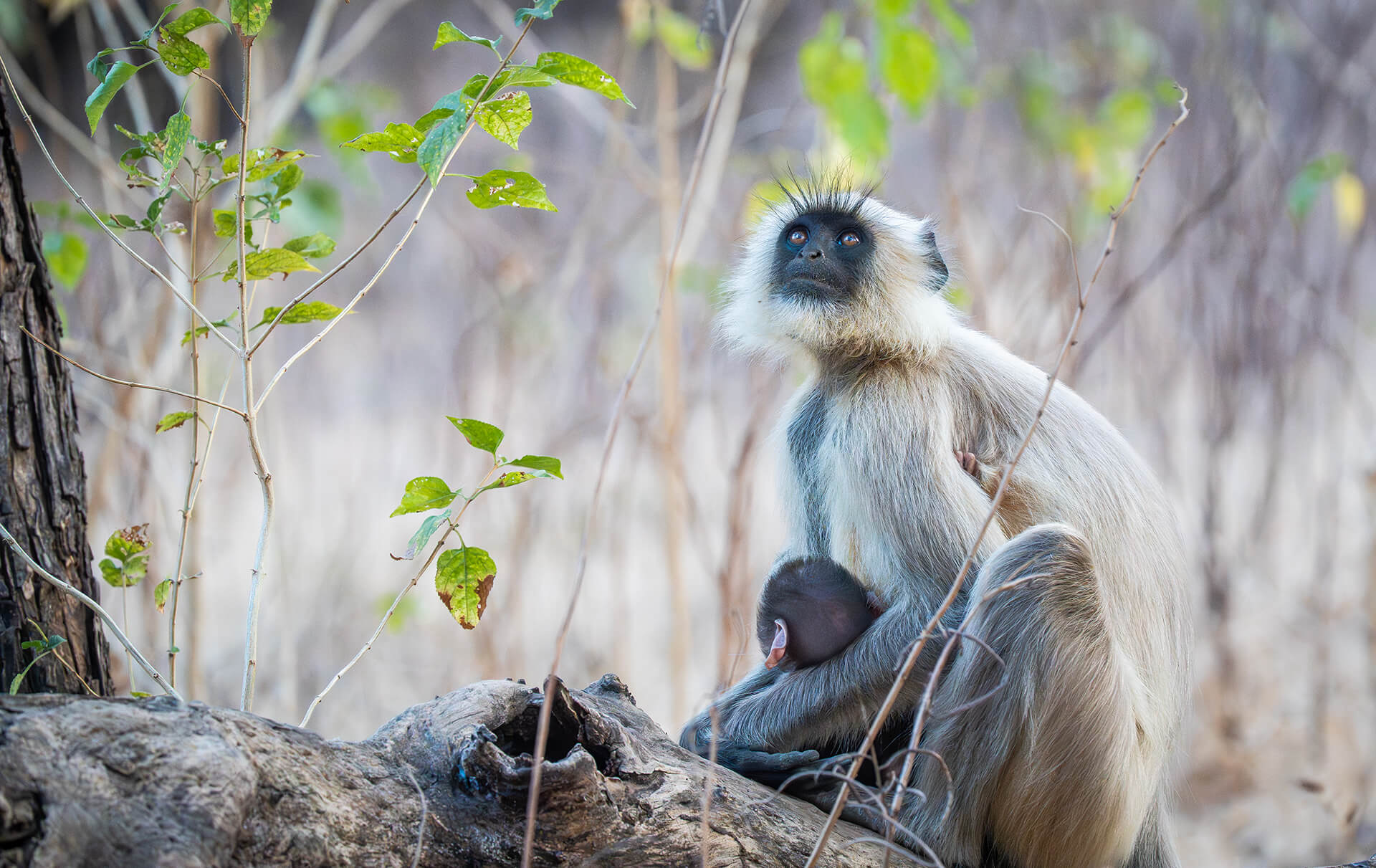
Tipeshwar is a sanctuary that punches dramatically above its weight. Its 25 mammal species, 182 bird species across 46 families, and 22 species of amphibians and reptiles make it one of the most ecologically rich small sanctuaries in India — and the presence of large predators, apex ungulates, and indicator species in the same compact habitat signals exceptional ecological health.
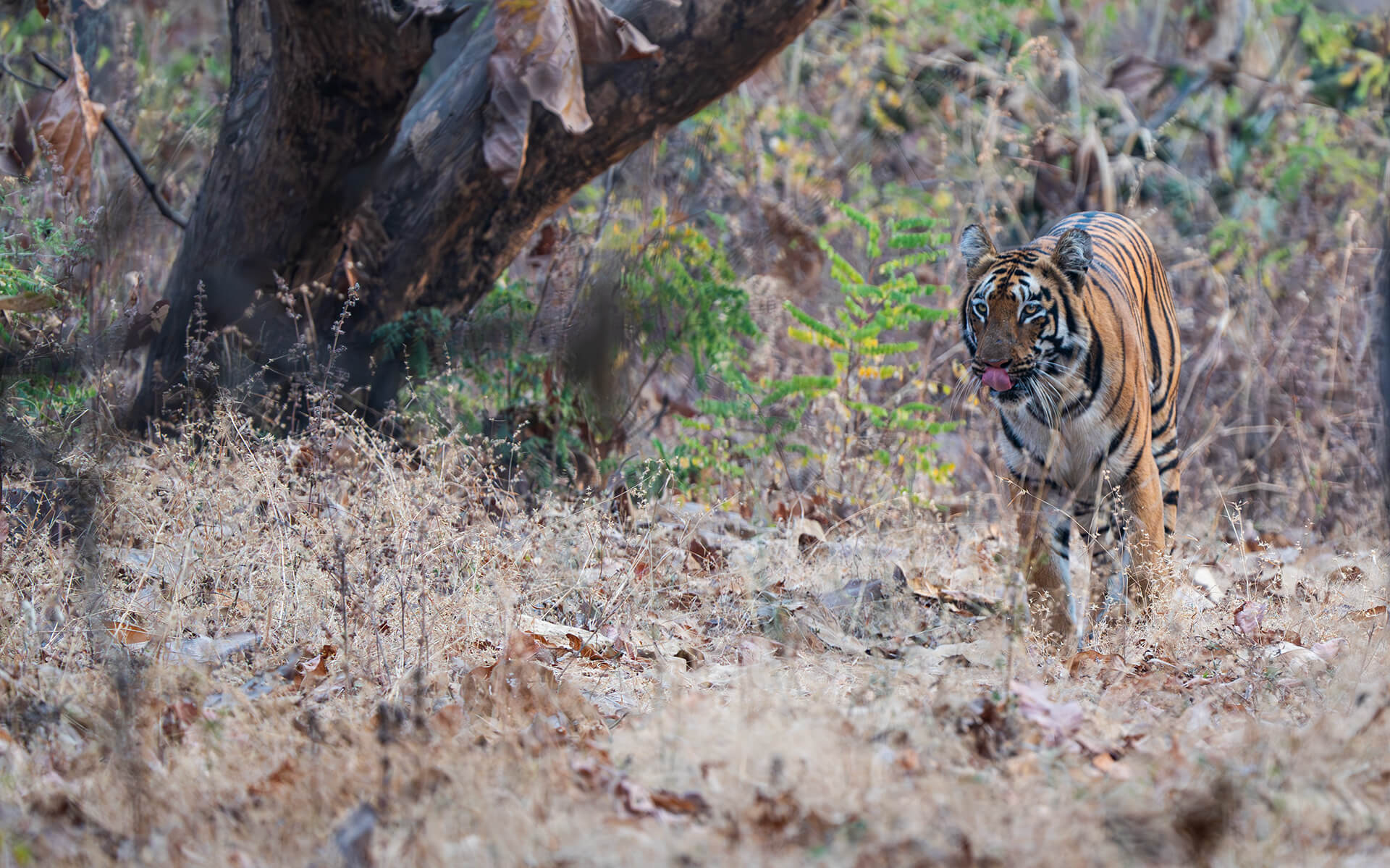
Bengal Tiger
Panthera tigris tigris
The population has grown since the 2014 census, bolstered by tigers migrating from neighbouring reserves including Tadoba-Andhari, Nagzira, and Pench. These are not sedentary, habituated animals — they are dynamic, wide-ranging tigers that move with purpose across a broader landscape.
Indian Leopard
Panthera pardus fusca
Healthy leopard presence throughout the sanctuary. The compact, varied terrain of basalt ridges, forest edges, and open grassland corridors creates excellent leopard habitat and frequent encounters during early morning and evening safaris.
Sloth Bear
Melursus ursinus
Regular sightings near rocky terrain and fruiting Mahua trees. In the absence of high vehicle pressure, sloth bear encounters at Tipeshwar tend to be prolonged and unhurried — among the most rewarding in Maharashtra.
Indian Bison (Gaur)
Bos gaurus
Impressive gaur presence across the sanctuary. The confluence of four river systems provides year-round water for large herbivore populations, and gaur herds are among the most reliably encountered large mammals at Tipeshwar.
Leopard Cat
Prionailurus bengalensis
The presence of leopard cat in the same compact habitat as large predators and apex ungulates is a clear indicator of the exceptional ecological health of this sanctuary. A sighting rewards specialist attention.
Indian Giant Squirrel
Ratufa indica
A flagship indicator species whose presence signals intact, mature forest. Frequently seen in the high canopy of Tipeshwar's dense deciduous forest — a species that rewards those who look up as much as they look along the track.
Blackbuck
Antilope cervicapra
Open grassland areas within and around the sanctuary support blackbuck populations. Their presence alongside forest species reflects the ecological diversity created by Tipeshwar's transitional position at the confluence of multiple river systems.
182 Bird Species
85+ Rare Species Recorded
Over 85 rare bird species documented here, including spectacular peacock displays alongside winter migratory arrivals and year-round residents. The Maharashtra Tourism Department recognises Tipeshwar as both a wildlife and bird sanctuary.
Two gates, one forest, near-complete exclusivity
A safari at Tipeshwar is entered through one of two gates, each offering access to distinct zones of the sanctuary with different wildlife densities and landscape characteristics. The intimacy of the experience — four passengers maximum, personal naturalist, your vehicle alone on the track — is intrinsically different from the convoy safaris that define more commercial tiger reserves. There is a third safari zone, recommended for those who stays relatively longer.
Mathni Gate
The main safari access point
Mathni Gate provides access to the sanctuary's primary wildlife zones, including the densest tiger territory and the richest mammal habitat. Morning safaris through Mathni access the open grassland corridors where predator-prey dynamics are most visible at dawn. Two safari sessions per day — morning and evening — maximise sighting opportunities across different light conditions and animal behaviours. Private vehicle safaris provide the intimate format that defines the Tipeshwar experience.
Sunna Gate
Different zone, different wildlife character
Sunna Gate accesses a distinct section of the sanctuary with different wildlife densities and landscape characteristics from the Mathni zone. For guests spending multiple days at Tipeshwar, alternating between both gates across consecutive sessions is the recommended approach — covering the sanctuary's full ecological range and maximising encounter probability across the different habitat types that each gate unlocks.
Independent Naturalist Programme
Beyond the standard forest guide
The strong recommendation for serious wildlife travellers is to work with an independent expert naturalist in addition to the mandatory forest guide. The additional ecological knowledge and intelligence about current animal movement that a specialist naturalist brings transforms a good safari into something significantly richer. Safari permits should be booked weeks in advance during peak season, particularly October through February.
Luxury Wildlife Concierge
Bespoke multi-session programming
Safari permits across consecutive sessions, expert independent naturalists in addition to the forest guide, and private transfers between accommodation and the park gates — eliminating the logistics that diminish the experience. For guests allocating two or more days to Tipeshwar, a structured programme covering both gates, both morning and evening sessions, and covering the sanctuary's primary wildlife corridors is what produces encounters rather than leaving them to chance.
The goddess, the corridors, and the community that protects them
Tipeshwar's story is inseparable from the communities that surround it — and from the forest that has been revered and protected not just by conservation authorities, but by generations of local people who depend on it.
Goddess Tipai Temple
The sanctuary's name derives from the Goddess Tipai, whose temple sits within the sanctuary boundaries near Tipeshwar village — a reminder that this forest has been revered and protected not just by conservation authorities, but by generations of local communities who depend on it, live alongside it, and have become its most devoted guardians. The temple is a genuine cultural site with an active local significance that extends far beyond tourist interest.
Ecological Corridors
Tipeshwar shares ecological corridors with Tadoba-Andhari Tiger Reserve, Nagzira Wildlife Sanctuary, and Pench National Park — larger reserves whose tiger and leopard populations flow into and through Tipeshwar's forest. This connectivity is one reason the sanctuary's wildlife is dynamic and less predictable than in isolated reserves, and one reason a sighting at Tipeshwar carries the particular thrill of an animal moving with purpose across a broader landscape rather than confined within it.
Community Conservation Model
Numerous villages exist within and adjacent to the sanctuary boundaries, and local residents are economically integrated into the wildlife tourism ecosystem as guides, drivers, naturalists, and lodge staff. The most responsible operators at Tipeshwar prioritise local employment, source food locally, and invest in community conservation initiatives. For travellers who use their expenditure as a value statement, this dimension of the sanctuary's ecosystem is as compelling as the tigers themselves.
The optimal window
Tipeshwar's seasonal rhythm differs from the Central Indian mainland reserves. The dry season tiger peak here runs through April rather than February — meaning the optimal window for the serious tiger-seeker is later in the year.
The post-monsoon landscape emerges lush and alive. The forest is at its most atmospheric — dense canopy freshly washed, water sources full, wildlife dispersed across the sanctuary. Temperatures range comfortably between 15°C and 30°C. The premier season for birding, with winter migrants arriving to join resident species. Tiger and leopard sightings are excellent throughout this period.
The dry summer months strip the forest of undergrowth, concentrate wildlife around remaining water sources, and create the optimal conditions for tiger sightings. April and May are statistically the best months for Bengal tiger encounters at Tipeshwar. The heat is significant — temperatures can touch 42°C — but for the serious wildlife traveller who plans morning and evening safaris around midday rest, these months deliver the most dramatic wildlife theatre.
The sanctuary typically closes to visitors during the peak monsoon months. This natural rest period is critical to the ecosystem's health and one reason Tipeshwar's wildlife population remains robust. The ideal planning window for securing the following season's safari permits and accommodation — availability at Tipeshwar's limited luxury options is genuinely constrained in peak months.
We know Tipeshwar.
The question is why you haven't been yet.
We do not run group itineraries to Tipeshwar. Every Safari Acacia programme is a private vehicle experience across multiple sessions — designed for the traveller who has done the obvious destinations and is ready for the reserve that delivers something they cannot.