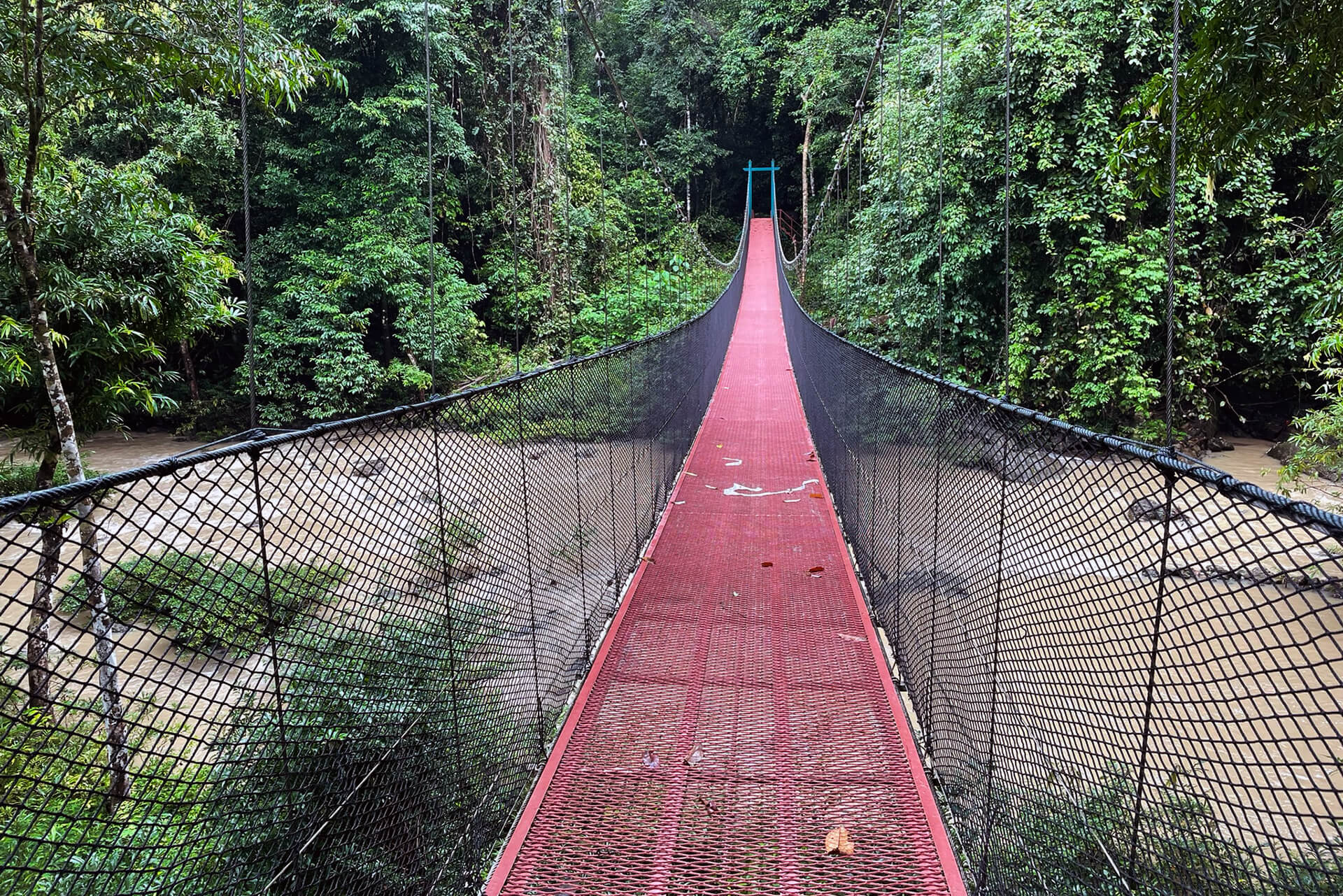
Tabin Wildlife Reserve
Sabah's Largest Protected Lowland Forest
122,500 hectares set aside in 1984 to save Malaysia's last Sumatran rhinos. The rhino is gone now, but a working mud volcano, nine primate species and one lodge, the only one permitted inside the reserve, remain.
Begin Your Tabin SafariProtected Reserve
Inside the Reserve
Bird Species
Primate Species
Species Recorded
Tabin was set aside in 1984 to protect one of the last strongholds of the Sumatran rhinoceros in Malaysia. The rhino is now gone from the wild here, its final individuals cared for at a facility inside the reserve until their deaths, but the forest built to protect it remains, and so does almost everything else that once shared it.
What Tabin Is
Sabah's largest reserve, with a single door in
Tabin Wildlife Reserve covers 122,500 hectares of lowland rainforest northeast of Lahad Datu, roughly 48 kilometres and an hour and a half by road. Tabin Wildlife Resort is the only accommodation permitted inside its boundaries, a genuine wilderness stay rather than a lodge on the reserve's edge, with a network of nine trekking trails and further reserve roads reserved for four wheel drive night safaris running out from it.
Independent day visits are not practical here. The reserve's distance from Lahad Datu, the lack of public transport, and the time genuinely needed to see what Tabin offers mean every guest stays overnight, arranged through the resort, and every trail is walked with a licensed guide.
Where the Forest Comes to the Salt Lick
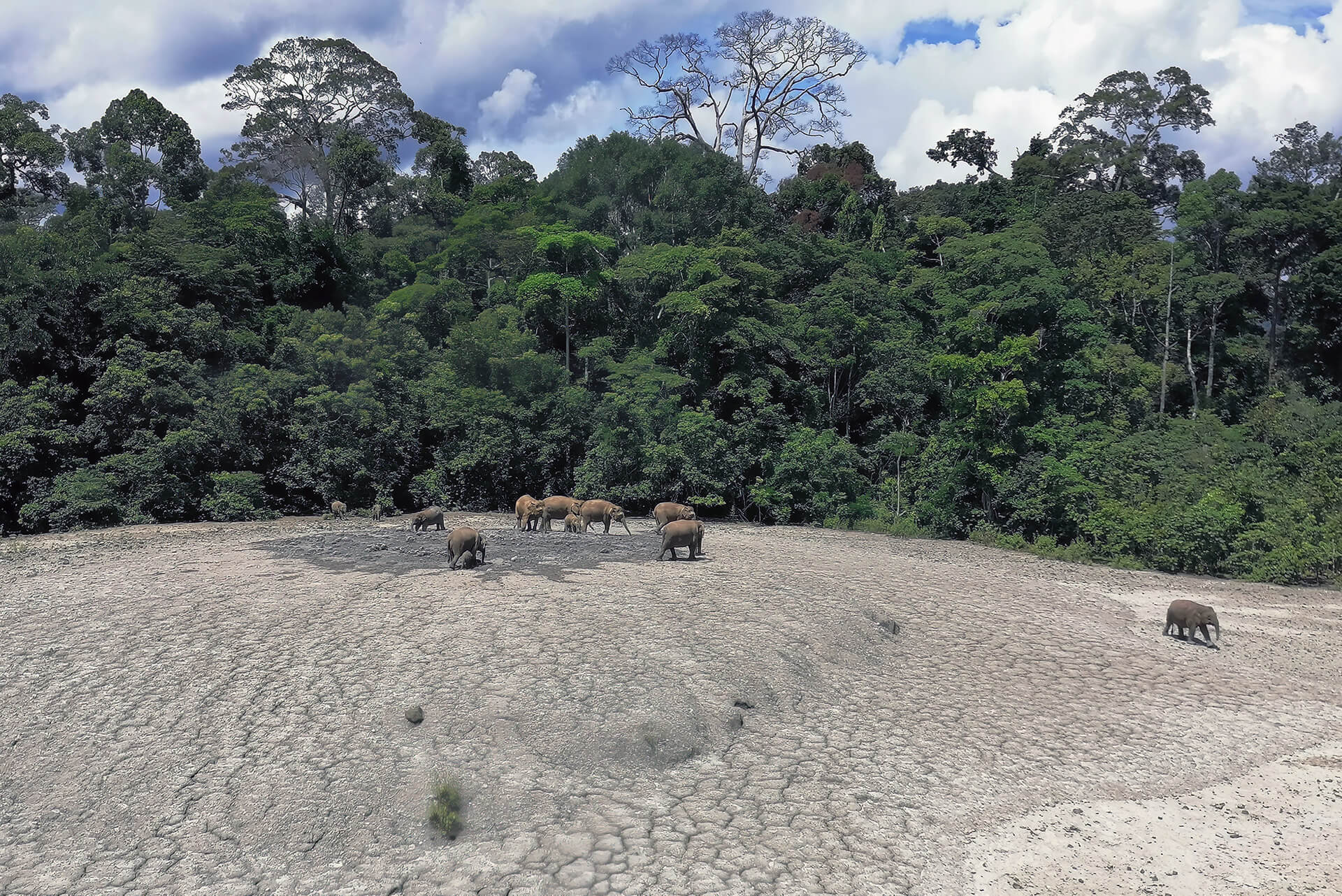
A guided trek along the Elephant Trail leads to Tabin's active mud volcano, a mineral rich clearing that draws pygmy elephants, banteng and birdlife to its salt licks more reliably than almost anywhere else in the reserve. Fresh animal tracks cross the bare mud constantly, and the volcanic mud itself has a local reputation as a natural facial, guests are welcome to try it.
Night safaris and dawn drives out to the mud volcano give the best realistic chance of an elephant sighting, while the reserve's daylight hours belong to its birdlife, with almost 300 recorded species and a road to the core area regarded as one of Sabah's best stretches for hornbills.
Tabin protects what its rhinos no longer need protecting for. The mud volcano still draws the forest to one clearing, and that is where a Tabin stay finds its rhythm.
Our Approach
A private guide changes what you actually see
Tabin can be explored on a shared guided safari, and many do exactly that. But a private guide, arranged for a modest additional charge, is what we recommend without exception. Nine overlapping trails, a mud volcano that rewards patient waiting, and night safaris timed to the reserve's nocturnal wildlife all favour a pace set by your own interests rather than a group's.
We can request a guide with a specific focus, birding, insects or photography, when we book, and arrange private transfers from Lahad Datu rather than the standard shared shuttle.
Ask About a Private Tabin Safari →The Wildlife of Tabin
A former stronghold of the Sumatran rhino, and still one of Sabah's richest reserves for everything that shared its forest.
Bornean Pygmy Elephant
The reserve's signature large mammal, drawn reliably to the mineral licks of the Lipad mud volcano by day and night.
Bornean Orangutan
Seen along the forest trails and safari roads with genuine regularity, one of nine primate species recorded across the reserve.
Sunda Clouded Leopard
Tabin's largest predator and rarely seen, though leopard cats and civets turn up far more often on night safaris.
North Bornean Gibbon
A resident family lives around the resort itself, their morning calls one of the more reliable sounds of a Tabin stay.
Banteng
Wild cattle sharing the reserve with the elephants, seen occasionally at the mud volcano's open clearing.
Storm's Stork
One of Southeast Asia's rarest storks, and a genuine draw for the birdwatchers who make up a large share of Tabin's guests.
Bornean Bristlehead
An endemic, unmistakable bird found nowhere outside Borneo, high on most visiting birders' lists.
Rhinoceros Hornbill
One of eight Bornean hornbill species recorded here, regularly seen along the road into the core area.
Tabin Wildlife Resort is the only property inside the reserve. Let us check availability first.
Tabin Wildlife Resort
The only accommodation permitted inside Tabin Wildlife Reserve, in two settings a short walk apart.
River Lodge & Hill Lodge
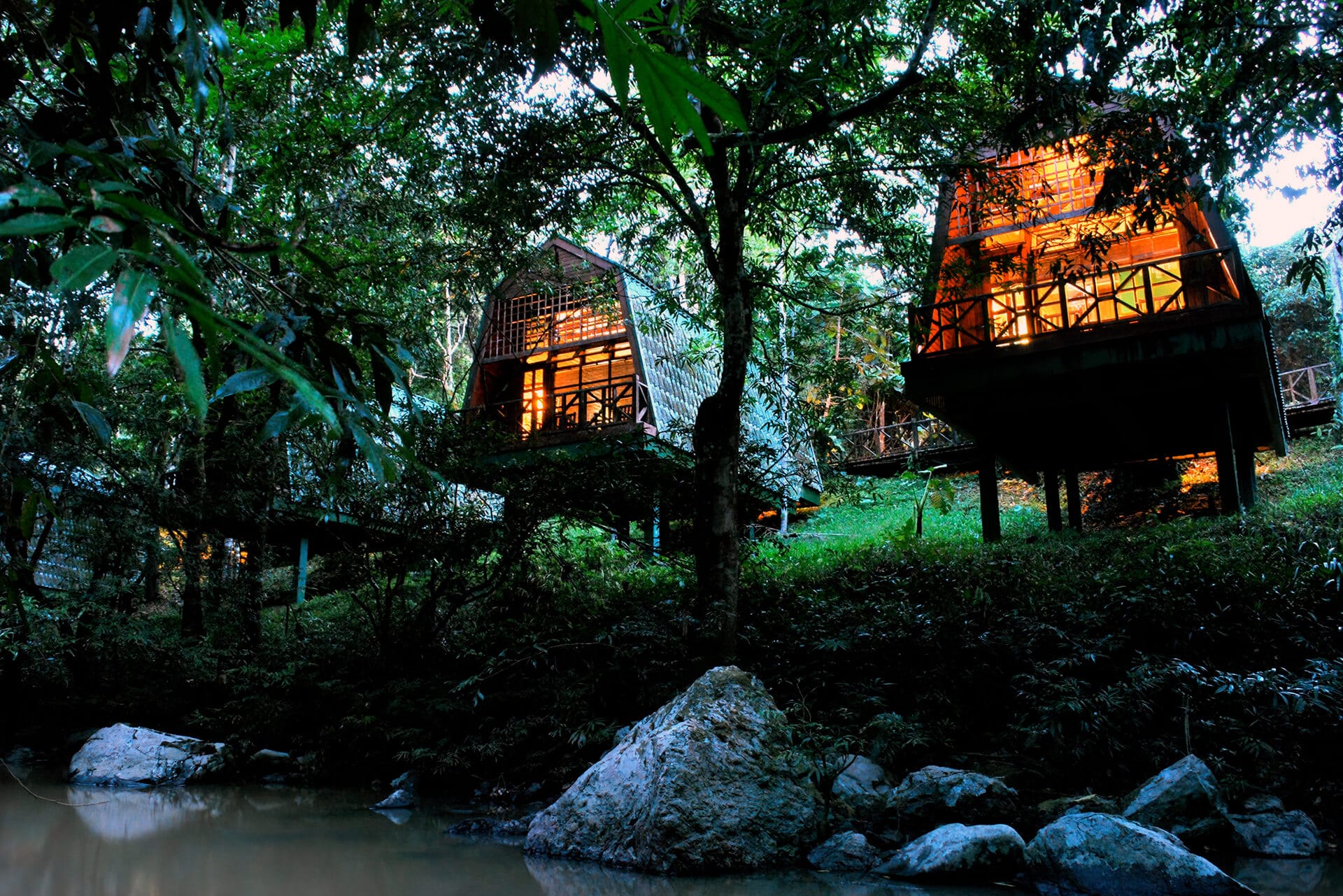
Twenty timber chalets in two settings, ten along the Lipad River close to reception, ten set into the forested hill above camp for guests who prefer elevated canopy views over river frontage. Every room comes with air conditioning, a ceiling fan and a private hot water shower.
- River Lodge, private balcony over the Lipad River
- Hill Lodge, secluded and elevated into the canopy
- All meals, permits and guided activities included
Before You Travel
Useful information for your Tabin trip
Tabin sits well beyond day trip range from Lahad Datu. A little preparation goes a long way, and we brief every guest on the specifics before departure.
Booking and Availability
With only one lodge permitted inside the reserve, rooms in both the River and Hill Lodge categories book out well ahead of peak months. We recommend confirming dates several months in advance.
What to Pack
Lightweight long sleeved clothing, a poncho or rain jacket, sturdy trekking footwear, binoculars, a torch for night safaris and rain protection for your camera. At least 300mm of lens reach is worth having for wildlife, with a 70 to 200mm and a 24 to 70mm covering the rest.
Guiding and Access
Day trips are not practical here, every guest stays overnight, and all nine trails require a licensed guide. We recommend a private guide over a shared safari for the flexibility it gives on the trail and at the mud volcano.
Weather and Timing
March to October is generally drier and easier underfoot on the trek to the mud volcano. November to February brings more rain and muddier trails, but a lusher forest and more active birdlife, night safaris and mud volcano visits continue through both seasons.
Getting to Tabin
A short road transfer once you land, timed around whatever else is on your Borneo itinerary.
The standard route
Fly into Lahad Datu, reachable by domestic flights from Kota Kinabalu, Sandakan and Kuala Lumpur, then transfer by road directly into the reserve. Allow around an hour and a half for the full transfer.
Combining with other reserves
Tabin pairs naturally with Deramakot, Danum Valley and the Kinabatangan River. We recommend adding at least one for a fuller picture of Sabah's rainforest wildlife.
How long to stay
Three nights and four days is our standard recommendation, enough time for the mud volcano trek, a night safari and a dawn bird walk, extendable for guests who want more.
From the Journal
Everything else we have written about Tabin
Lodge details, species guides and the full reserve comparison, for guests who want to go deeper before they travel.
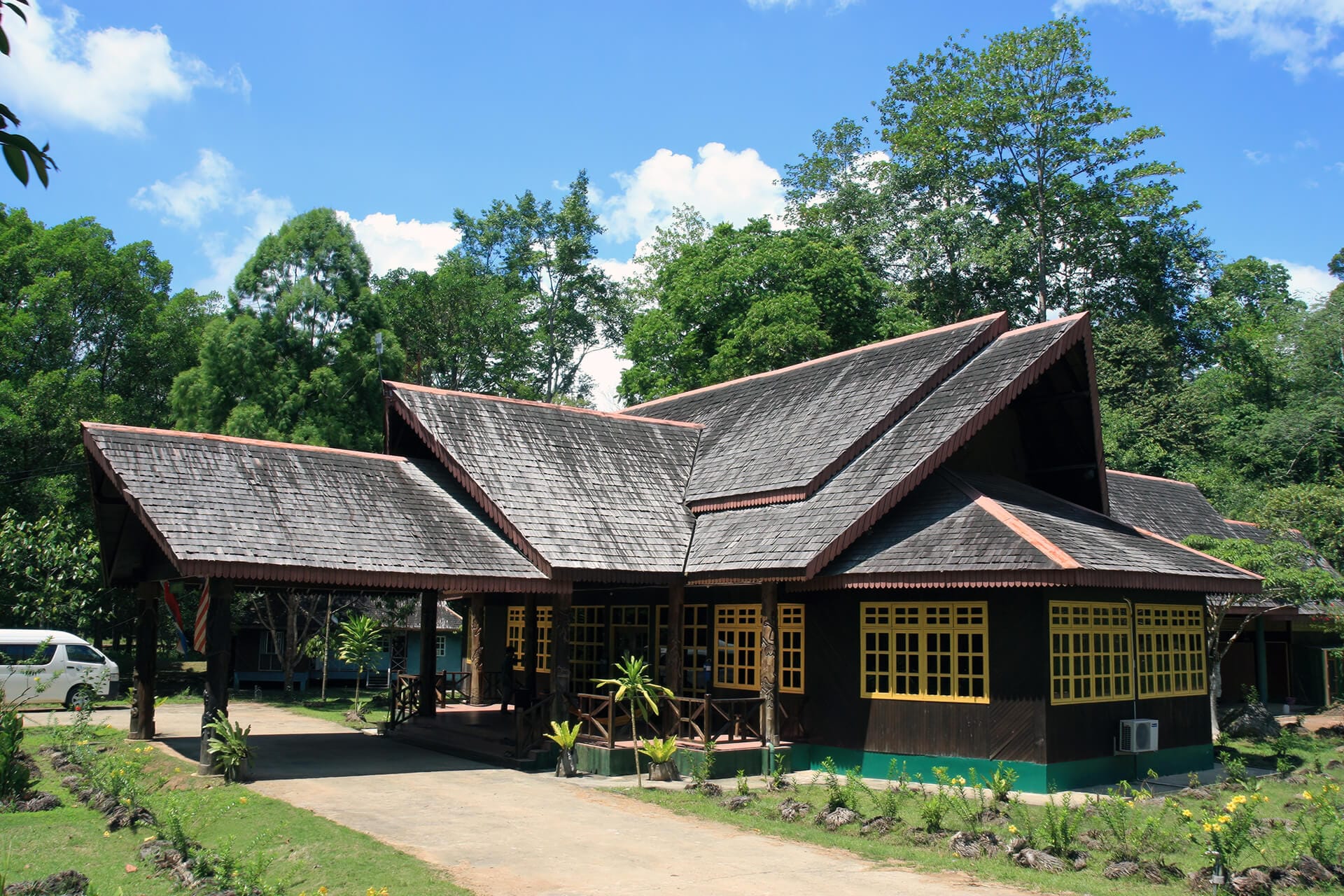
Tabin Wildlife Resort, in Full
Room categories, the daily rhythm of a stay and everything included at Sabah's only lodge inside the reserve.
Read the Journal →
Where to See Wild Orangutan
How Tabin compares with Deramakot, Danum Valley and Kinabatangan for a genuine wild sighting.
Read the Journal →
Deramakot, Danum Valley, Kinabatangan or Tabin?
Four legendary Sabah reserves, four completely different wildlife experiences, and how to combine them.
Read the Journal →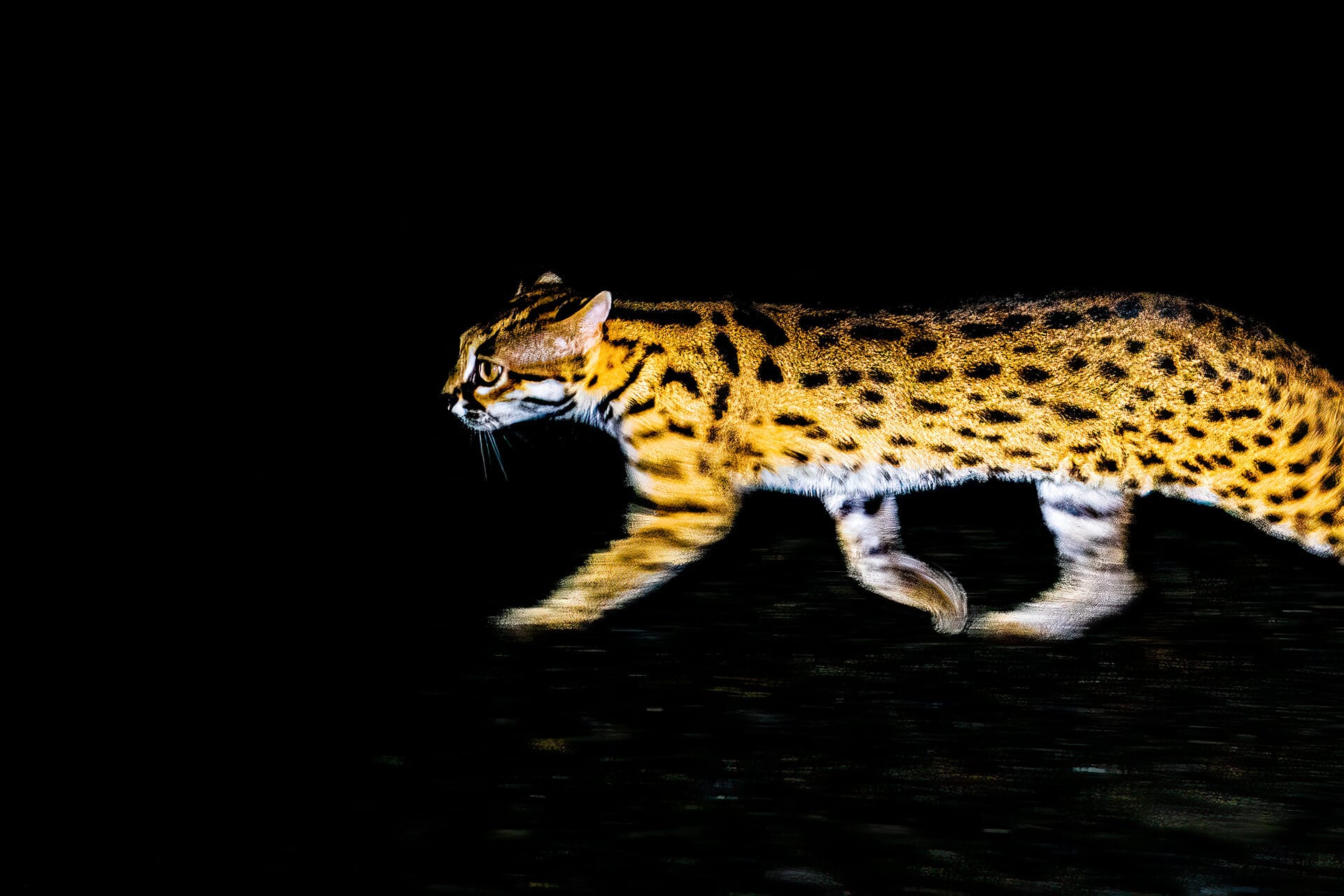
Deramakot, Every Mammal Watcher's Bucket List Forest
All five Bornean wild cat species recorded in this working forest, a natural pairing for a longer Sabah itinerary.
Read the Journal →
Danum Valley, Borneo's Most Pristine Rainforest
Untouched primary forest, a private canopy walkway and some of the last genuinely undisturbed rainforest in Southeast Asia.
Read the Journal →
Kinabatangan, Borneo's Amazon Like River Safari
The only place in Borneo to watch pygmy elephants swim across the river, directly in front of your boat.
Read the Journal →Tabin Intelligence
Questions we are asked first
Answered with the specificity a generic travel site rarely offers.
Planning & Access
Can I visit Tabin on a day trip?
No. Tabin's distance from Lahad Datu, the absence of public transport, and the time genuinely needed to experience the reserve mean every guest stays overnight. We arrange the pickup and drop off from Lahad Datu as part of your stay.
Is a private guide worth the extra cost?
We think so, without exception. A shared guided safari is available and perfectly workable, but a private guide sets the pace around your own interests on Tabin's nine trails and at the mud volcano, and can be arranged with a specific focus, birding or photography among them.
Is Tabin suitable for families?
Yes. Nature walks and wildlife safaris suit most children well, though some of the longer treks can be demanding for younger kids. A private guide gives useful flexibility here, and the resort's staff are used to accommodating both children and senior guests.
Can I visit Tabin in the rainy season?
Yes. November to February brings more rain and muddier trails, but also a lusher forest, rising rivers and active birdlife, birdwatching in particular can be especially rewarding. Night safaris, wildlife drives and mud volcano visits continue through the wet season, with treks adjusted for guest safety where needed.
Wildlife & Activities
Can I see orangutans in Tabin?
Yes, orangutans are seen along Tabin's forest trails and safari roads with genuine regularity, one of nine primate species recorded across the reserve.
Can I see Sumatran rhinoceros in Tabin?
No wild rhinos remain. Tabin was once one of the last strongholds of the Sumatran rhinoceros in Malaysia, and its final individuals were cared for at a facility inside the reserve until their deaths. A small museum on site tells that history, alongside a taxidermy specimen.
Is Tabin good for birdwatching?
Very much so, with almost 300 recorded species. The road into the core area is one of Sabah's best stretches for hornbills, all eight Bornean species included, and serious birders come specifically for the endemic Bornean bristlehead and the rare Storm's stork.
What camera lens should I bring?
At least 300mm reach for wildlife. A semi pro zoom in the 150 to 600mm range, paired with a 70 to 200mm, covers most sightings well, and a 24 to 70mm suits landscapes at the mud volcano. Much of Tabin's wildlife is photographed in low light, so a fast lens and a body that handles high ISO cleanly matter more than reach alone.
Tabin's only lodge sits inside Sabah's largest reserve. Planning ahead is not optional.
We run no group departures to Tabin. Every programme is private, built by a team that knows the reserve, the guides and the current room availability directly.